
Worth the Wait: Photographing Death Valley & Alabama Hills
Even though I've driven tens of thousands of miles crisscrossing the country over the years in pursuit of adventures, experiences, and photographs that move me, there are still some locations that I’ve long desired to explore that have eluded me, with two slices of wilderness in Southern California at the top of the list – Alabama Hills and Death Valley National Park. Before last February, I had been oh so close to both locations on numerous occasions, but whether due to oppressive heat that made camping impossible, tight timelines, or car trouble, I had never been able to actually visit either.
Fortunately, that all changed when my two best friends from high school and I decided that the time was nigh to get the band back together again for a voyage into the wilds, and when I proposed that we head to California so that we could escape the sunless winter of the East and so I could finally go to Death Valley and Alabama Hills, my friends were enthusiastically on board.
While none of us had the time to drive from our respective home bases to California, we still turned our voyage into a road trip experience by renting a camper van in Las Vegas and living out of it for the week that we were in California. Although I’ve spent countless nights sleeping in my Land Cruiser, this was my first camper van experience, and the extra room that it provided was pretty awesome!
Death Valley National Park was our first stop. As we got closer to the park and the temperature crept into the 70s, I put the windows of the van down, and the feeling of the sun on my ghostly white skin for the first time in months was sublime.
We had three days to spend in Death Valley National Park, and my first impression of the park from a photography perspective as we drove in was that it seemed to be a rather dull landscape of different shades of muted brown, not that dissimilar to the bleak world I had left behind in Upstate New York. My attitude quickly changed, though, as we drove closer to the Furnace Creek Campground and saw fields of profusive wildflowers that added splashes of color to the otherwise austere landscape.
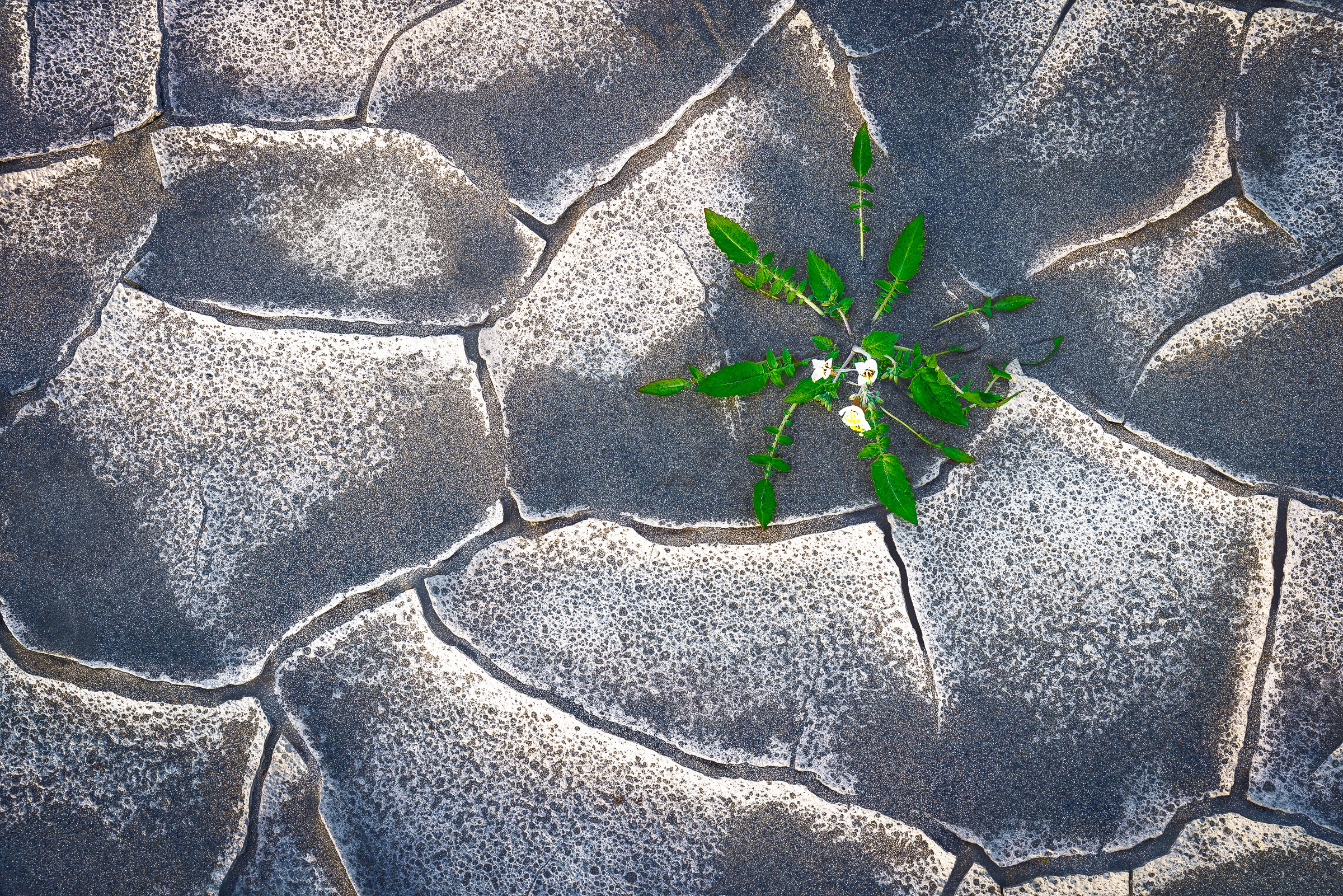
A tenacious brown-eyed evening primrose sprouts up from the cracked and arid earth of California's Death Valley National Park during the 2026 superbloom.
The 2026 wildflower season in Death Valley National Park ended up being the best one in a decade, thanks to autumn and winter rains that had doused the park, and we spent quite some time during our stay seeking out both grand and intimate views of the wildflowers.
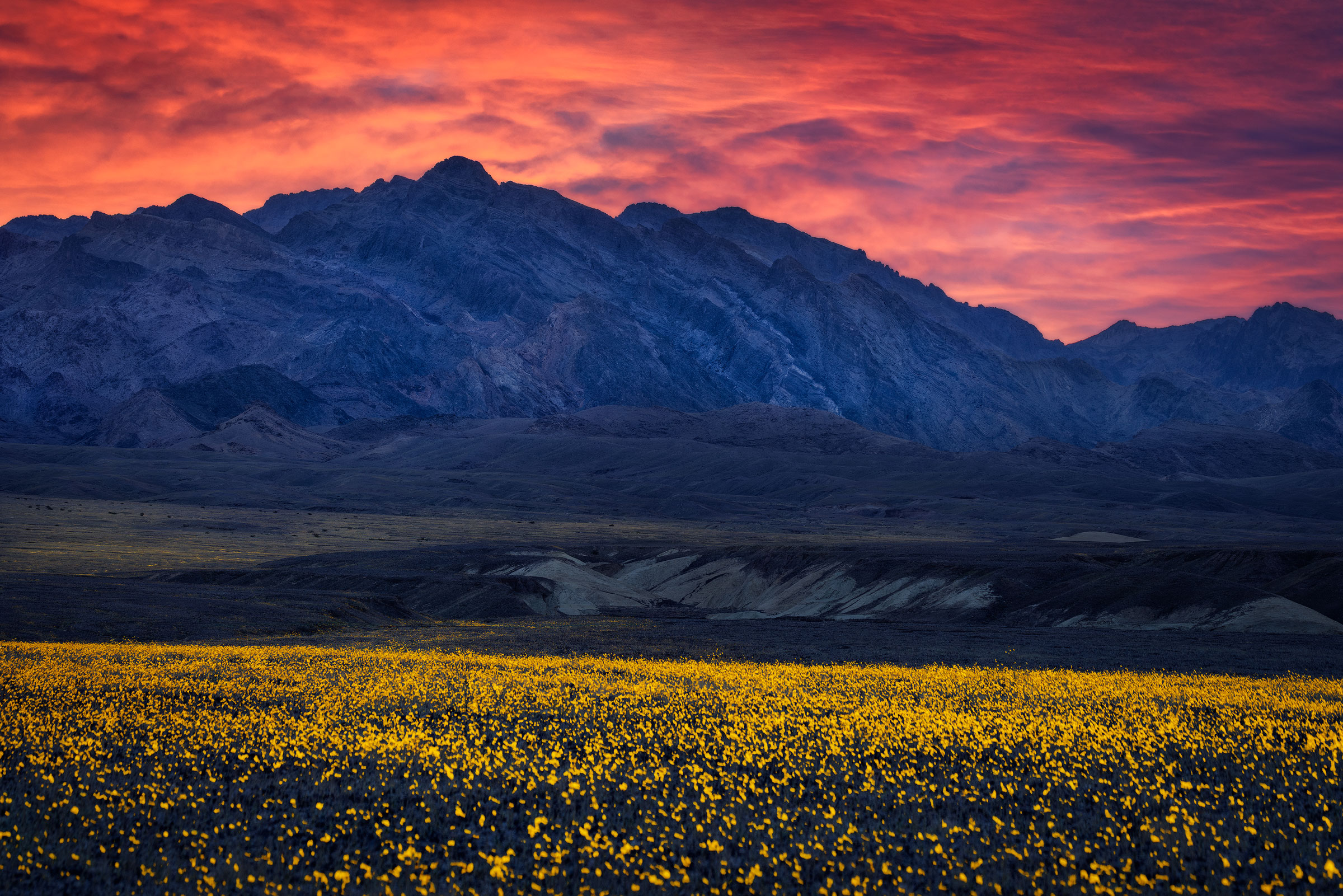
A spectacular sunrises lights up the sky above Death Valley National Park's rugged mountains as wildflowers carpet the desert floor during the 2026 superbloom.
Even though my friends aren't photographers, they humored me whenever I wanted to stop for photos, and even acted as sunshades when I asked them to stand next to some wildflowers to block the direct sunlight from hitting them in order to impart some softer light onto the scene.
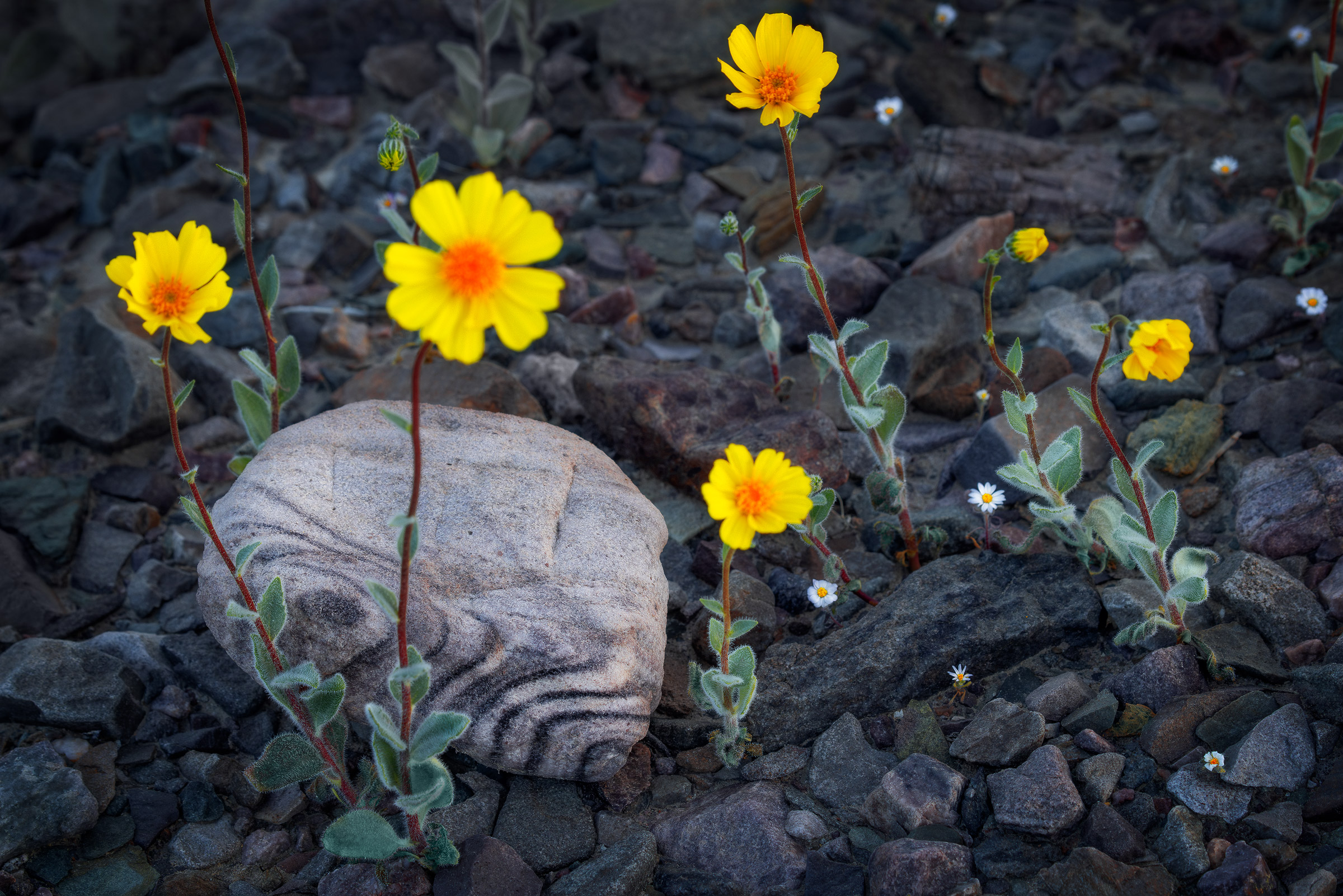
Wildflowers (desert star and desert gold) surround an interesting rock and form a peaceful scene in California's Death Valley National Park.
Beyond the wildflowers, we spent most of our time exploring the expansive and otherworldly Mesquite Flat Sand Dunes. Even though I went into the trip with the primary photography objective of adding some sweeping wide-angle landscape photos of the dunes to my portfolio, it ended up being the smaller details within the dunes that I found to be most captivating.
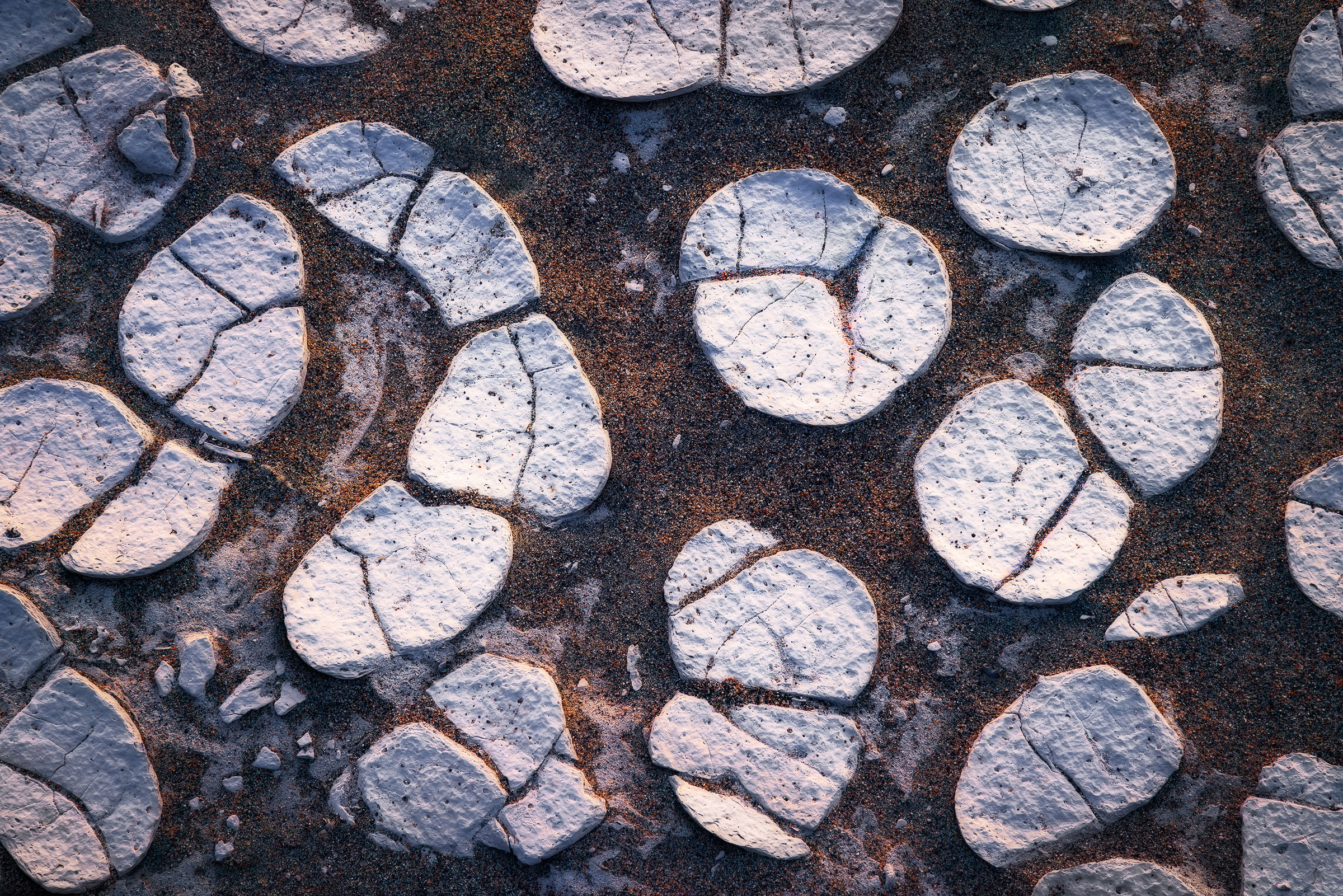
Hardened mud deposits stand out like fossilized bones from the sandy desert of Death Valley National Park, California.
It seemed like every dune we climbed over had a hidden treasure waiting on the other side. I could have spent weeks photographing the dunes and certainly hope to return in the future to explore some of the more remote dune fields, such as the Eureka and Ibex Dunes, within Death Valley National Park.
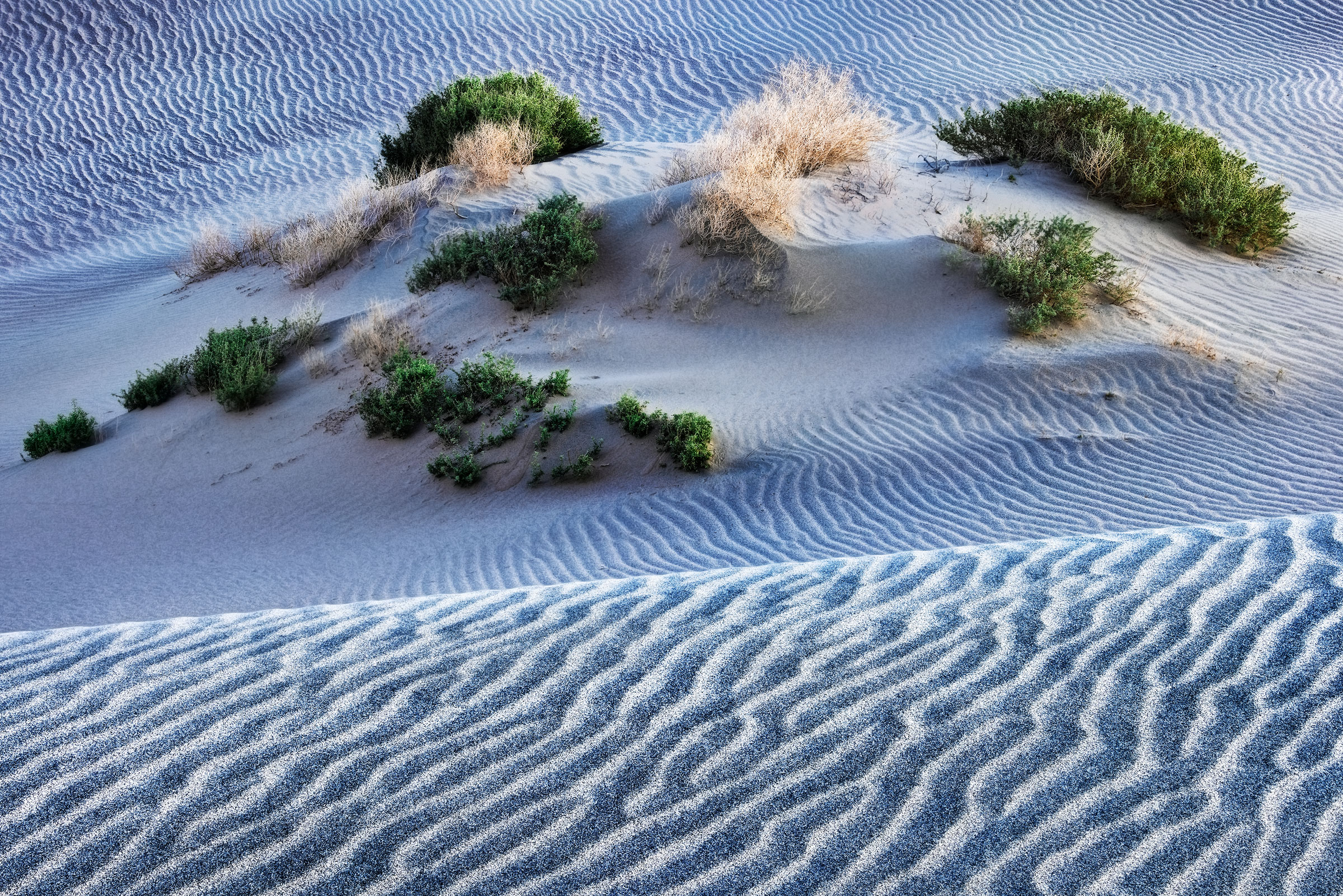
During my daily wanderings through the otherworldly sand dunes of California's Death Valley National Park, it was often the smaller scenes tucked away between the dunes that I found to be most captivating, and the shrubs pictured here that somehow eek out a living in the rippled dunes was one of my favorite discoveries.
On our last morning in Death Valley, we hit the road early in time to make a pitstop for a final sunrise photography session in the park. We drove up a gravel road opposite Mesquite Flat Sand Dunes that provided a different perspective of the dunes, and I had a blast using a telephoto lens to isolate interesting patterns and curves of the dunes that cradled the creosote bushes that dot the dunes as the light drastically changed the character of the dunes when the blue hour gave way to sunrise.
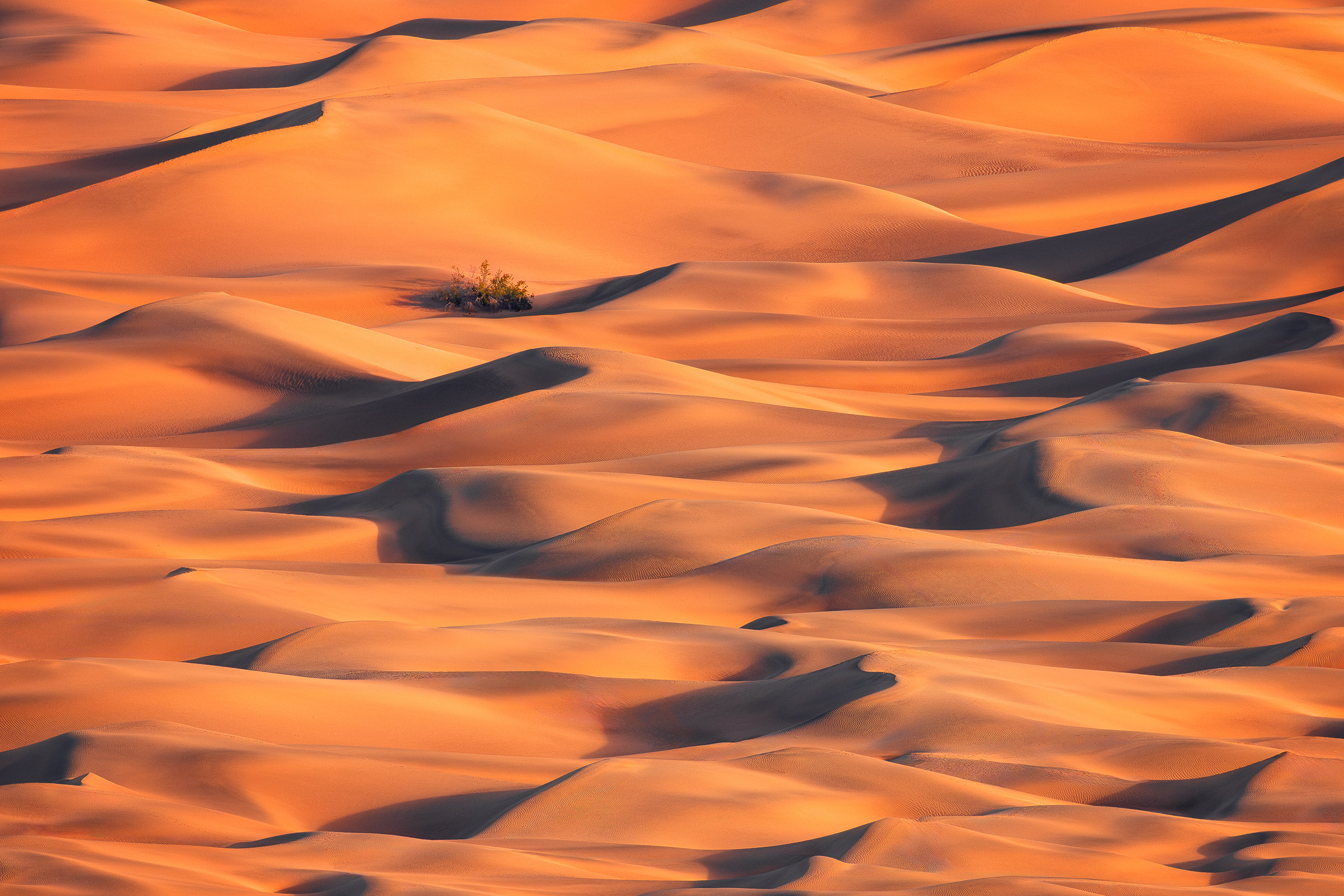
A lone cresote bush stands out from the seemingly endless sand dunes of California's Death Valley National Park as the first light of the day kisses the dunes with a warm glow.
After an incredible time in Death Valley National Park, we drove two hours west to Alabama Hills. Even if you've never been to Alabama Hills before, you almost certainly have seen it even without knowing it. Alabama Hills gained a reputation as an iconic film location as early as the 1920s and has been used in countless commercials and movies such as Django Unchained, Iron Man, and How the West Was Won. We even saw a production crew shooting a promo video for Lucid Motors when we first arrived!
The serrated spires of the High Sierra, including Lone Pine Peak and Mount Whitney - the highest mountain in the contiguous United States at 14,505 feet - dominate the skyline at Alabama Hills. What makes Alabama Hills so unique and interesting, though, is the juxtaposition of the mountains with the rounded granite boulders and spires that dot the foothills.
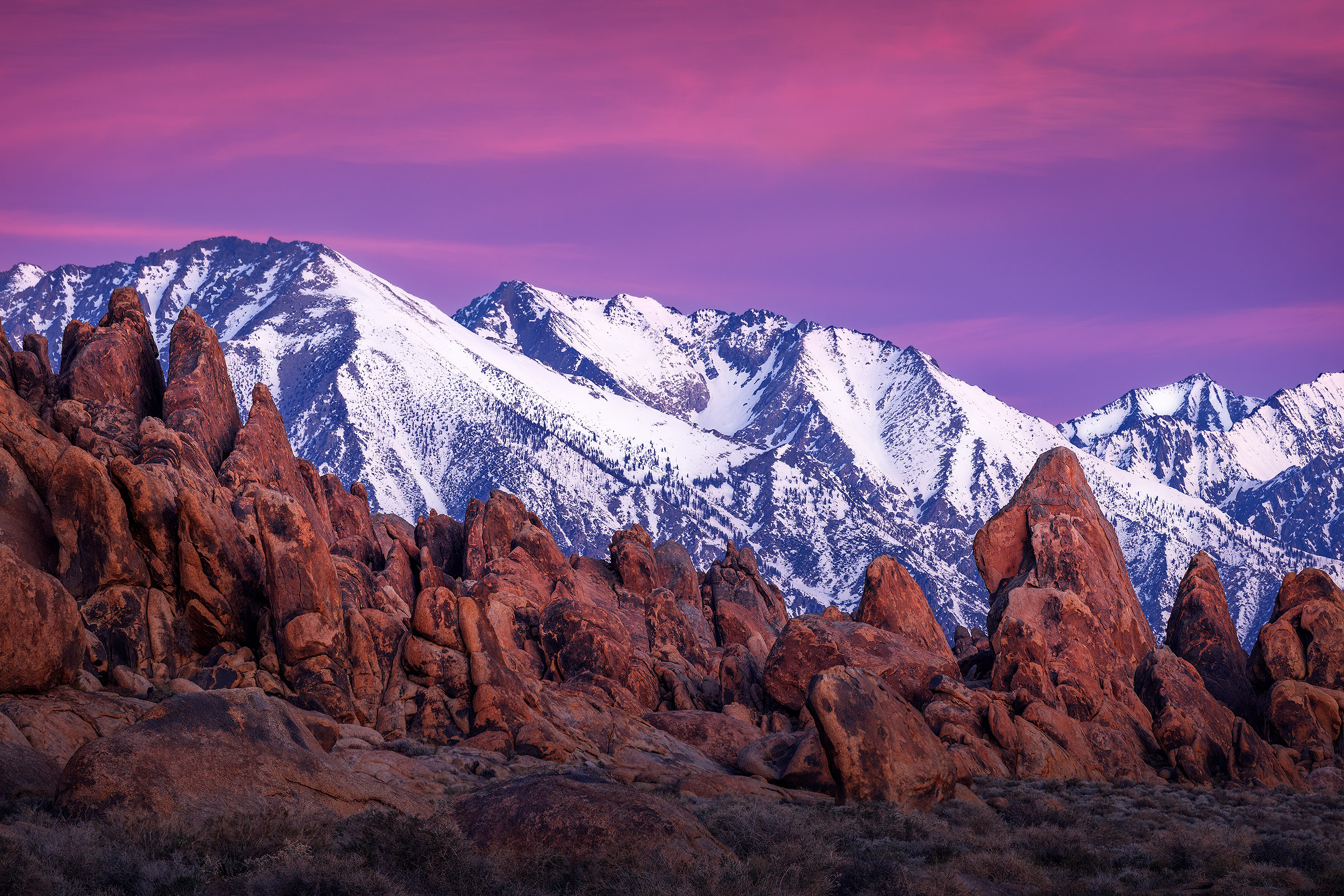
A warm pre-sunrise glow lights up the sky above the snowy mountains and unique boulders of California's Alabama Hills.
Much like the favorable conditions that we arrived to at Death Valley, we were blessed with three days of warm weather and sunshine at Alabama Hills, made all the better by the fact that a winter storm the week before we arrived had coated the mountains with a fresh blanket of snow.
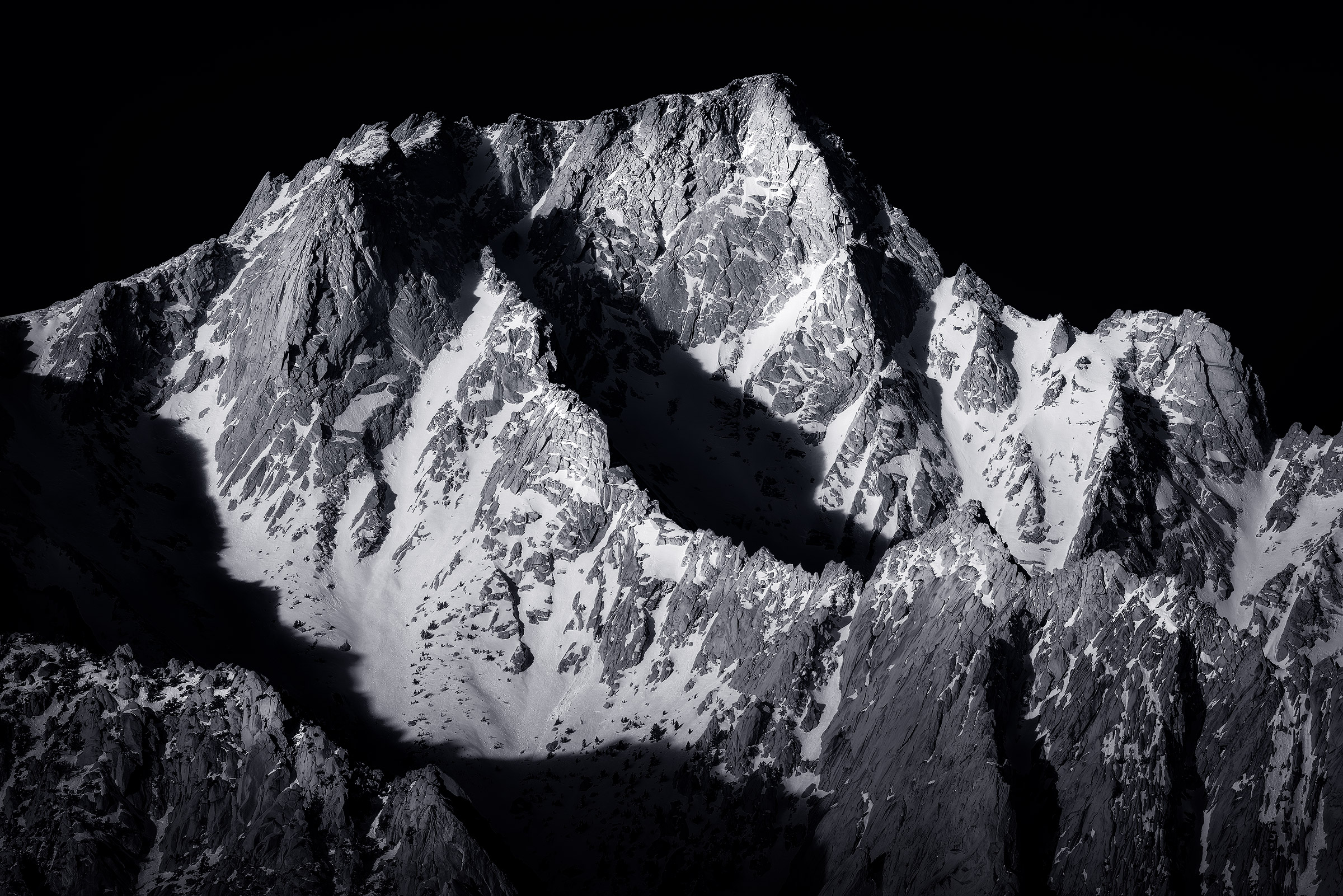
Morning light accentuates the jagged ridges of Lone Pine Peak in the Alabama Hills of California in winter. Since Ansel Adams did some of his most memorable work in the Sierra Nevada Mountains, it felt appropriate to render this photo in black and white.
Photographing subjects as disparate as desert wildflowers and snowy alpine mountains in the same trip was one of the coolest experiences imaginable, and this diversity of landscape and conditions is one of the main reasons why California is arguably the best state in the US for nature photography.
Since winter is the quietest time of year at Alabama Hills, we had no trouble grabbing a primo campsite with an expansive view of the mountains. The camping at Alabama Hills is some of the best in the country, and a bonus is that the campsites are first-come first-served and are free of charge, although obtaining an online permit ahead of time is required.
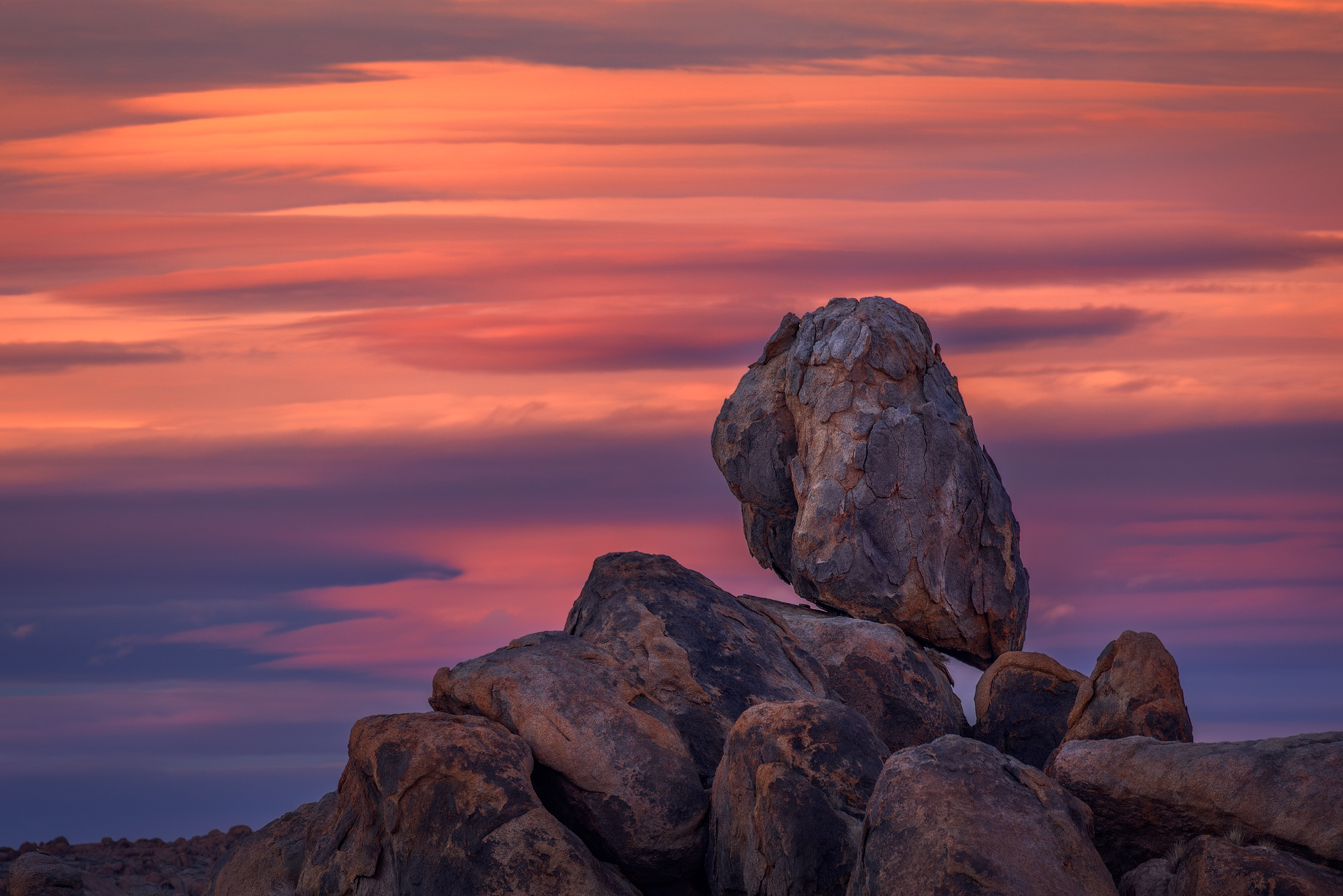
A spectacular winter sunset spreads across the sky above a precariously balanced boulder in the Alabama Hills of California.
Our campsite wasn’t far from a distinctive rock formation that's popular with climbers and appropriately named Shark Fin. I would have loved to have been able to take some photos of climbers on Shark Fin, but we unfortunately didn't see any during our stay. Maybe next time!
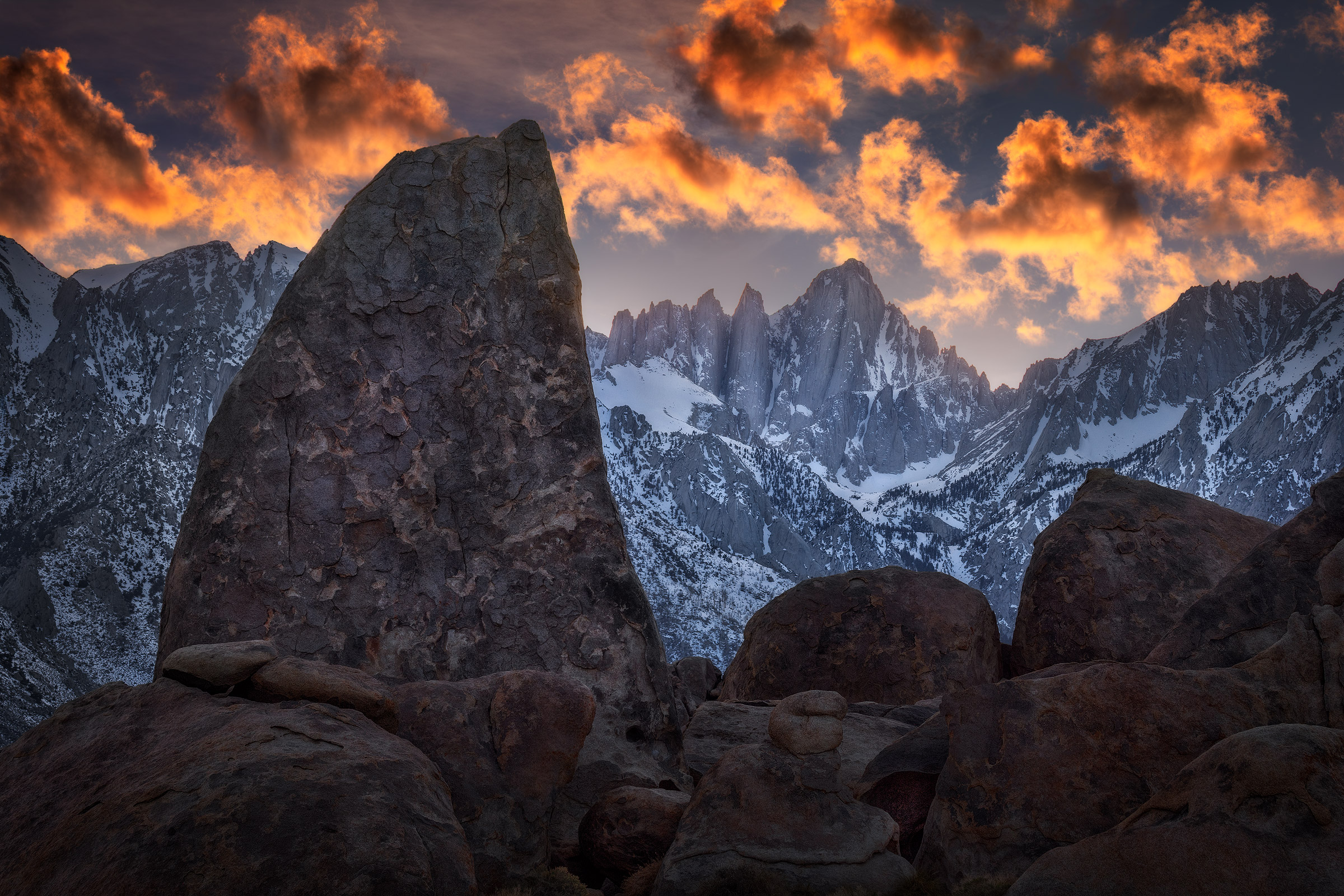
The aptly-named Shark Fin rock formation enjoys a winter view of Mount Whitney in the Alabama Hills of California at sunset.
One of my favorite memories of our time at Alabama Hills is of rising early in the morning to watch the dawn alpenglow light up the mountains. After having spent so many years looking at the online webcams of Mount Whitney, yearning to see it in person, it was surreal to see the crown jewel of the Sierra Nevada right in front of me, and the long wait made the experience all the sweeter.
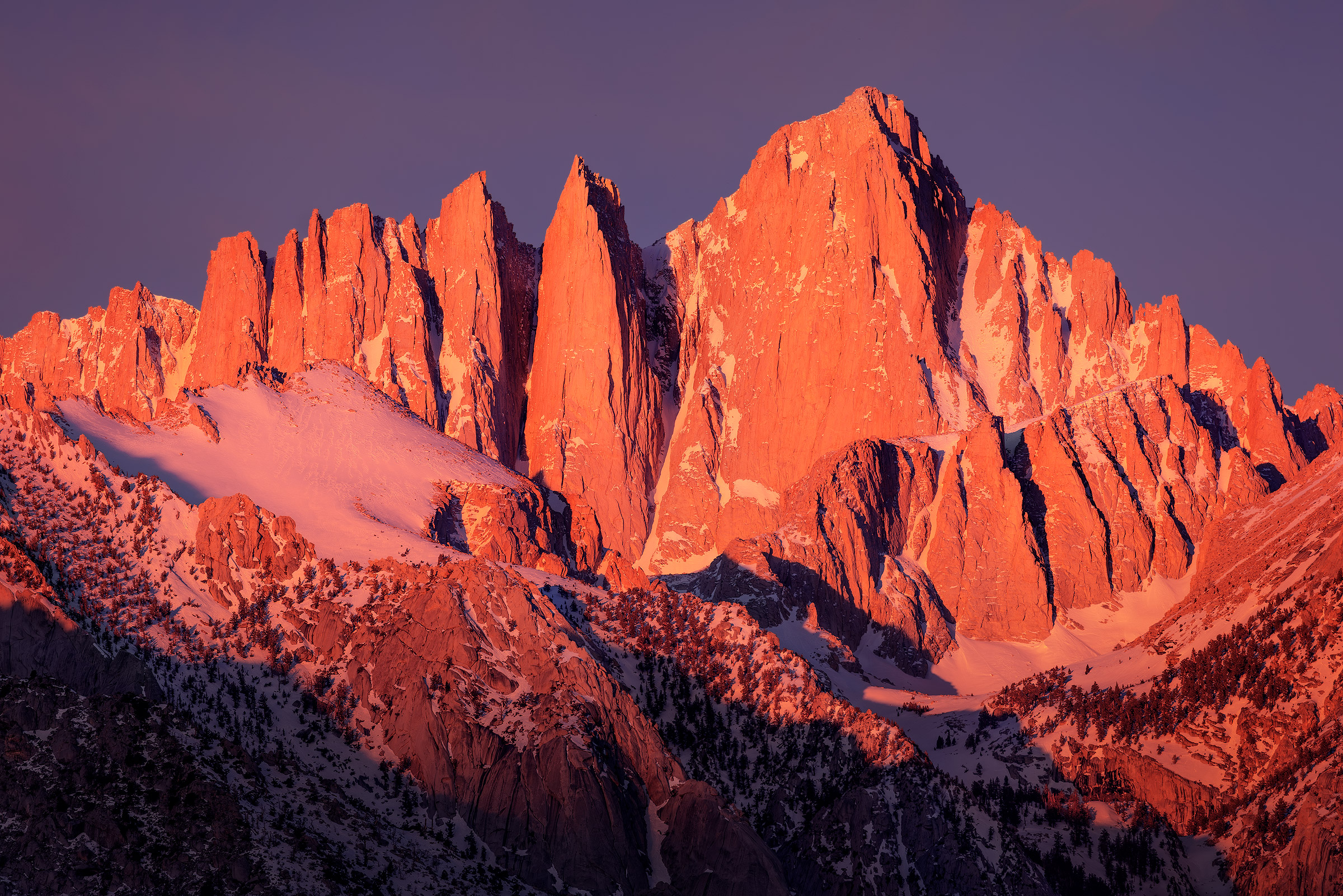
Mount Whitney is many things. It's the southern terminus of the John Muir Trail, it's the highest mountain in the contiguous United States at 14,505 feet, and it's an alpine playground that pulls climbers, mountaineers, adventurers, and artists to its serrated spires. For me, it also proved to be something else over the years - elusive. Having finally experienced the mountain in the way that I always hoped that I would, I know one thing for certain - it was worth the wait.
On the final evening of our trip, we drove deeper into the Alabama Hills, our van rocking and rolling its way down bumpy dirt roads that it technically should not have been on. Our destination was Boot Arch which, as the name suggests, has the shape of a boot. With the hulking pyramid of Lone Pine Peak as a backdrop, we watched and photographed the sunset while taking some celebratory swigs of whiskey to toast our adventure. After sunset, I put my friends to work to execute an idea for a photo that I had. As the sunset glow faded and stars began to dot the night sky, I had one friend sit in the opening of Boot Arch, while the other used their headlamp to illuminate the arch and its surrounding boulders. It took some trial and error to get the lighting right, but I was quite pleased with the end result. Perhaps I should start having some sips of whiskey more often when taking photos out in the field!
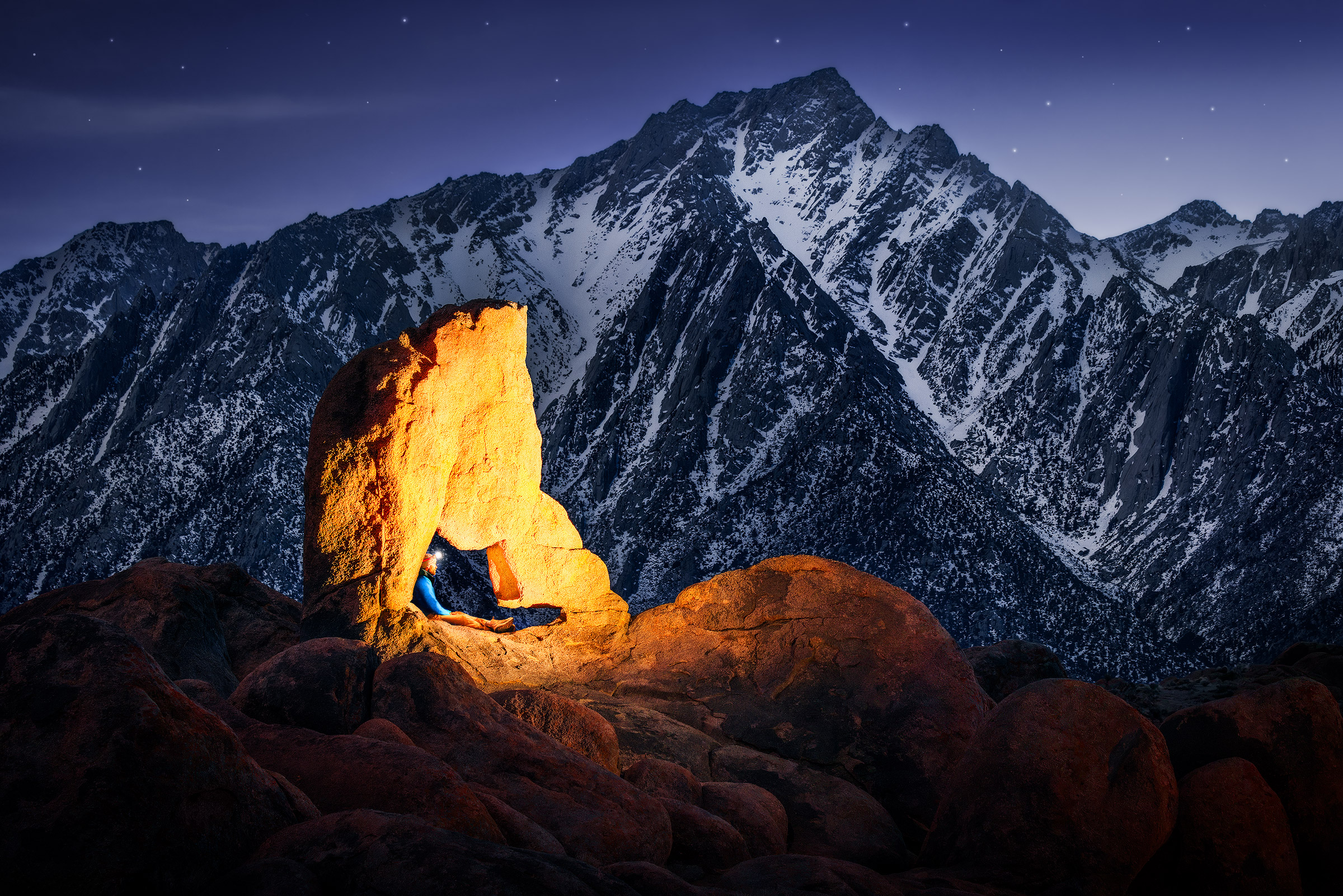
A hiker sits under Boot Arch on a winter night and dreams of future adventures as stars punctuate the sky above Lone Pine Peak in California's Alabama Hills.
When it was time for us to depart Alabama Hills and head back to Vegas after an unforgettable week of outdoor exploration, reminiscing about old times, and making new memories together, we piled into our trusty van and drove down the dusty open road, already scheming up the next adventure - the company we rented the van from does have an outpost in New Zealand…
Check out my complete gallery of images from Alabama Hills and Death Valley National Park here.